
Blog
May 28, 2026 / by livertransplantsurgeon
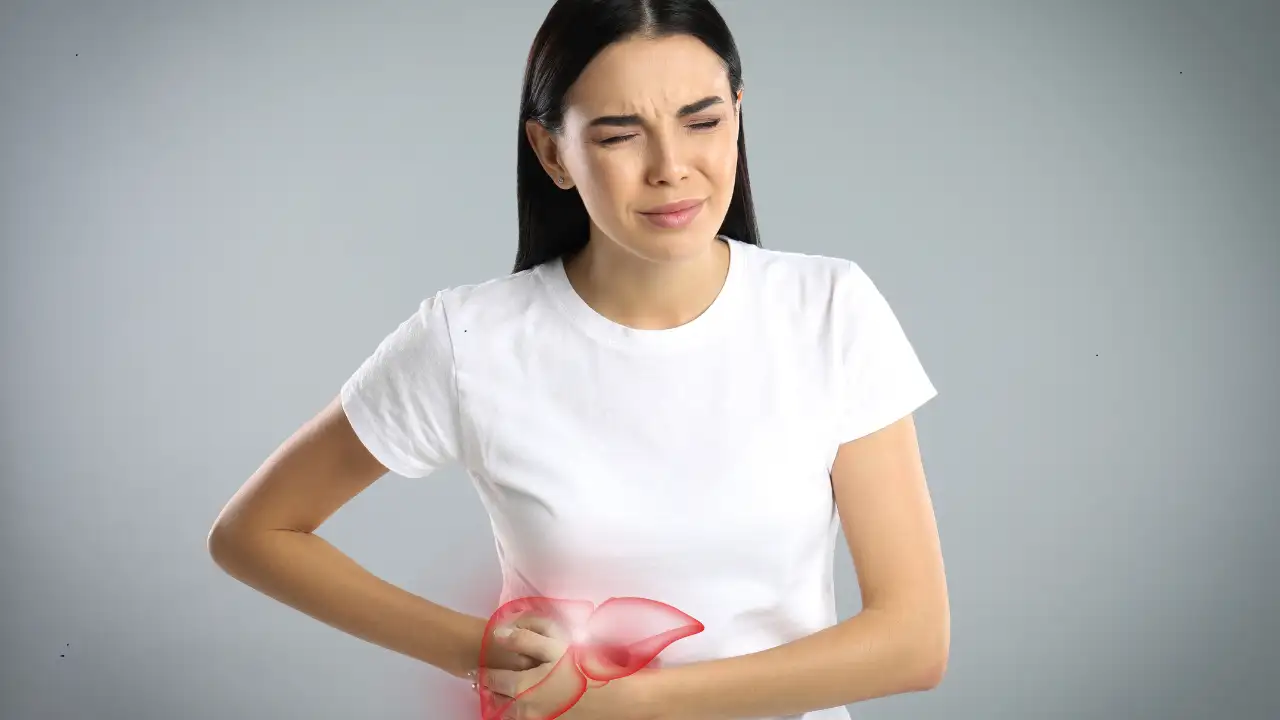
Non-alcoholic fatty liver disease (NAFLD) is the commonest non-communicable disease in Indian women, with a prevalence rate of 35%. Globally, 30% of the population is suffering from NAFLD, and this projection is expected to progress to 56%, in a similar range to diabetes and obesity.
In India, the high rate of NAFLD is driven by the adoption of a westernized lifestyle, associated comorbidities like diabetes, obesity & hypertension. Fatty liver is known to progress to cirrhosis (end-stage liver disease) or liver cancer (hepatocellular cancer) if left untreated, which affects the survival rates and implicates a poor prognosis.
Unfortunately, it’s a silent disease and often presents at an advanced stage, leading to serious complications.
Why Women Face Different Risks Than Men
Women tend to have different outcomes with fatty liver disease when compared to men. Women may have a higher risk of life secondary to NAFLD when compared with men of the same age group. Conditions like age of menarche (first menstrual period), menopause status, alteration in reproductive hormones, and sarcopenia (muscle loss) may affect the development of NAFLD. Hormonal issues like oestrogen deficiency and Polycystic Ovarian Disease (PCOD) increase the risk of developing NAFLD. Women with type 2 diabetes, obesity, and larger waist circumference (metabolic syndrome) are more prone to NAFLD.
Besides physiological and hormonal factors, there are social and cultural factors like limited autonomy for women, hierarchy based on earning potential, and poor literacy levels (especially in rural regions), which may create health neglect or gender bias towards women’s health, and conditions like NAFLD can go neglected or ignored.
Fatty Liver Disease Is Preventable and Reversible
The urban populace has its own share of modern problems like alcohol, smoking, and a sedentary lifestyle. Fatty liver is totally preventable and reversible if diagnosed at an early stage with simple lifestyle modifications. Studies show that a diet high in protein and low in carbohydrates, or a diet with fruits and vegetables and whole grains combined with exercise for 30 minutes a day and 5 days a week, can significantly reverse fatty liver and liver cell inflammation.
There are no gender-based guidelines to treat or prevent this problem. In general, reducing the cardiovascular and metabolic risk remains the cornerstone to treat NAFLD in both men and women.
Weight Loss Can Significantly Improve Liver Health
Research shows that up to 10% weight loss can reduce liver scarring and inflammation, whereas between 5-10% weight loss can reduce liver fat significantly.
There is some evidence that suggests black coffee (without sugar), Vitamin E, and Omega-3 fatty acids help prevent and reverse NAFLD. Specific and early consultation with a specialist (e.g. cardiologist, endocrinologist, or a gynecologist) can control the morbidity and mortality around the problem. Fatty liver has reached an epidemic level problem and therefore needs mass screening & awareness programs.
Early Diagnosis Is the Key
Early diagnosis is key and can be achieved by simple USG of the liver or Fibro scan combined with simple blood tests, liver LFT’s (liver function tests). Unfortunately, there’s no pill to replace exercise or a healthy lifestyle; otherwise, it would have been a blockbuster medicine.
However, the good news is this deadly and silent disease has a simple and inexpensive solution: a healthy diet and plenty of exercise, which is accessible to all. There is also an urgent need to increase awareness in women on NAFLD and ways to combat it, so they can get access to life-saving treatment at the earliest.